Buy algorobots.eu ?
We are moving the project
algorobots.eu .
Are you interested in purchasing the domain
algorobots.eu ?
domain@kv-gmbh.de · 0541-91531010
Buy algorobots.eu ?
How many fables did Aesop write?
Aesop is traditionally credited with writing around 725 fables. **
When did Aesop write his fables?
Aesop is believed to have lived in ancient Greece around the 6th century BCE. However, it is not entirely clear when exactly he wrote his fables as they were passed down orally for many years before being written down. The first known collection of Aesop's fables was compiled in the 4th century BCE by Demetrius of Phalerum. **

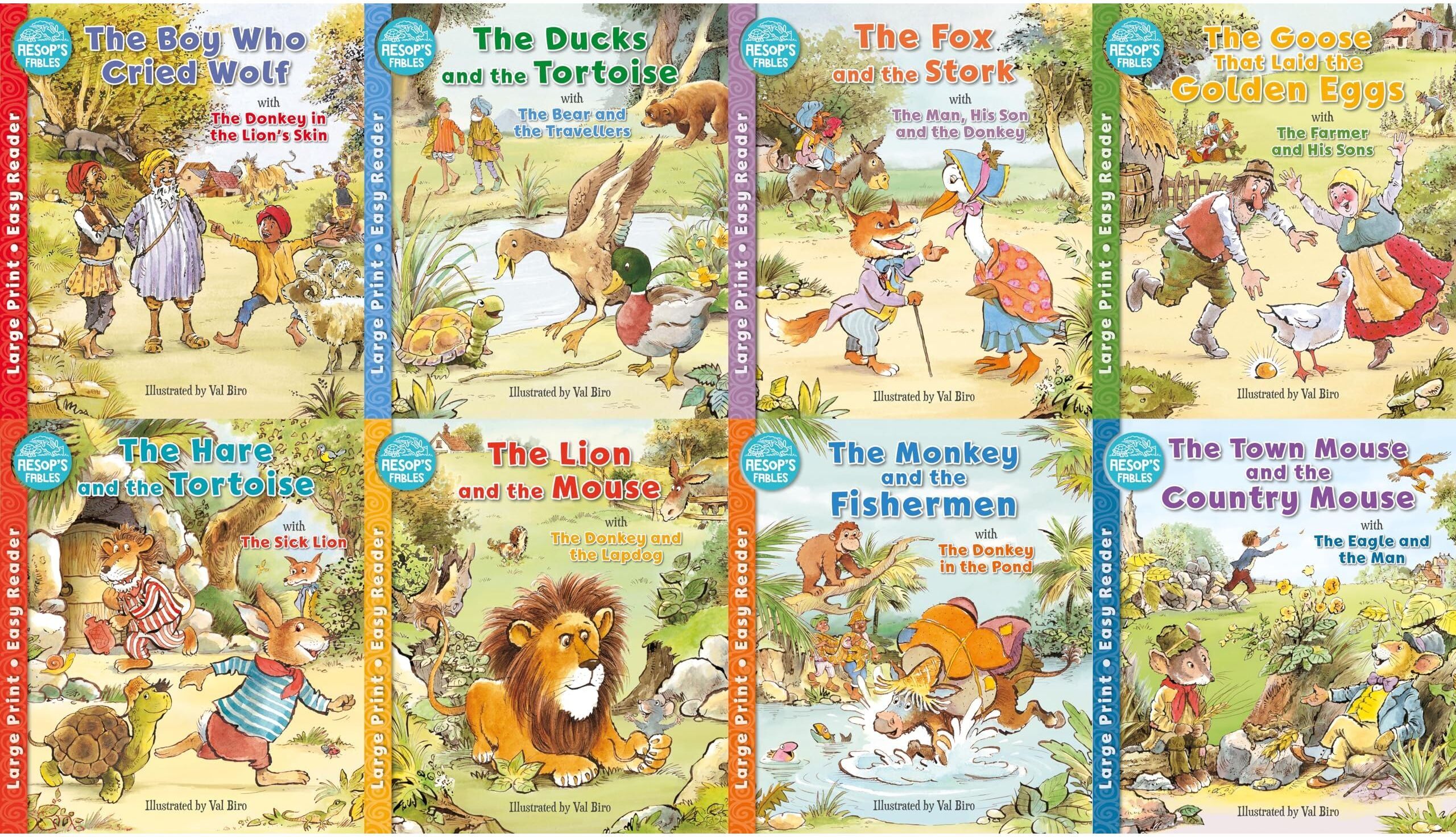
Similar search terms for Aesop-s-Fables-Easy
Top-Angebote
Products related to Aesop-s-Fables-Easy:
-
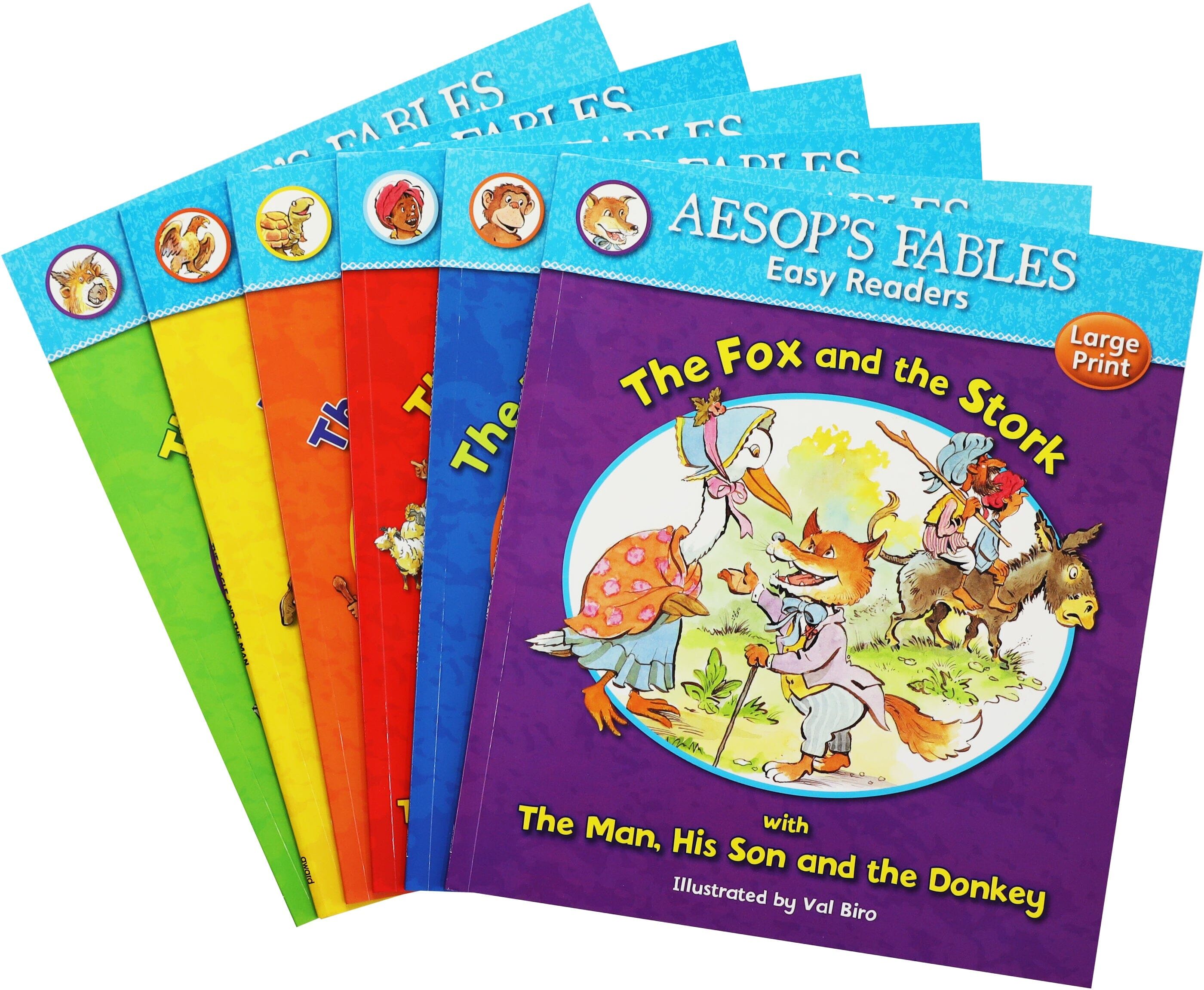
Aesop's Fables Easy Readers By Val Biro 6 Books Collection Set - Ages 4+ - Paperback Award Publications LtdTitles In The Set: 1. The Fox and the Stork 2. The Monkey and the Fishermen 3. The Boy Who Cried Wolf 4. The Eagle and the Man 5. The Bear and the Travellers 6. The Farmer and His Sons Description: Designed to build reading confidence, this series features large, clear, simple text, brought to life by the humorous illustrations of Val Biro. Each book contains two well-known Aesop stories.13,99 £*Shipping: 2,99 £Secure redirect to the provider
-
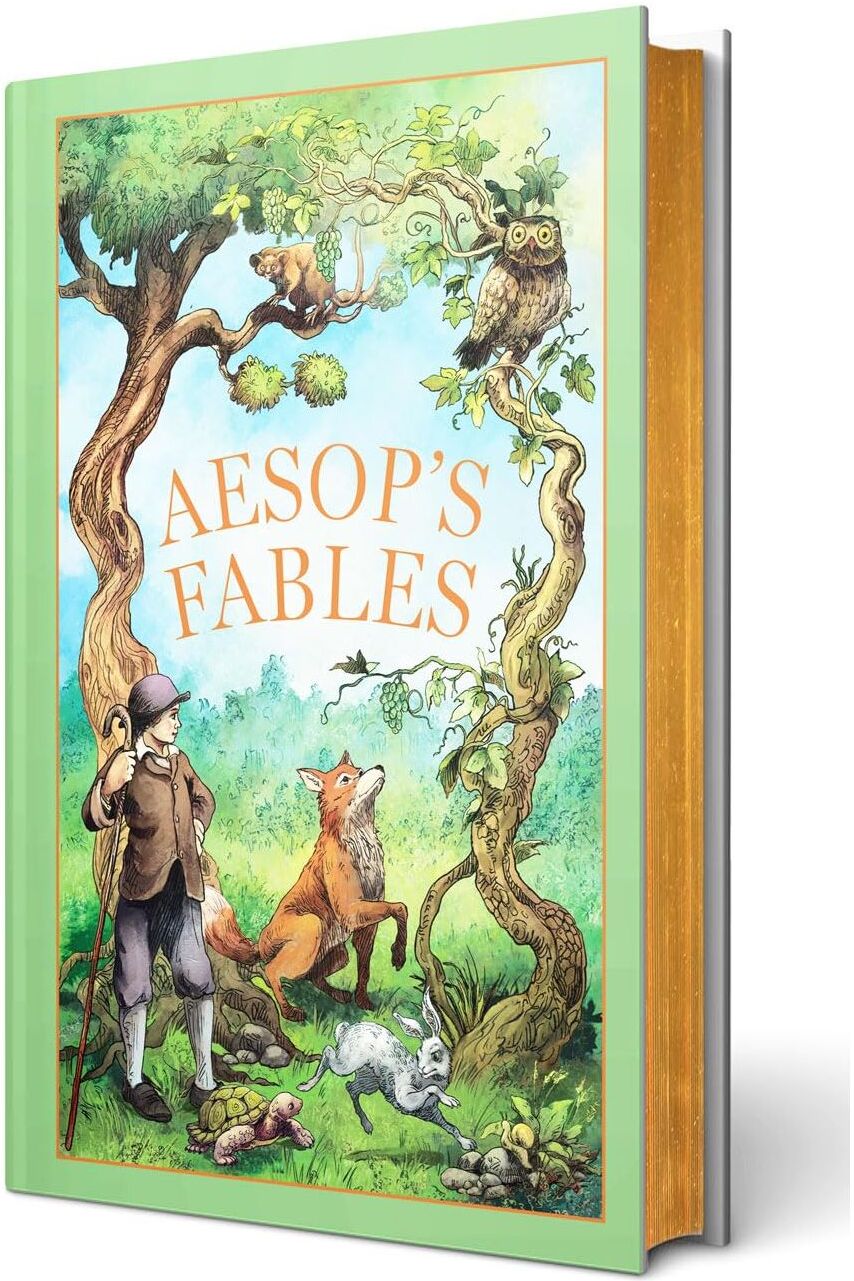
Wilco International LLP Aesop's Fables (Leather-bound)Aesop’s Fables “Misfortune tests the sincerity of friends.” - Aesop, Aesop’s Fables Aesop’s Fables, timeless moral tales attributed to the ancient Greek storyteller Aesop, offer succinct wisdom through anthropomorphic animals and concise narratives. These short stories, such as The Tortoise and the Hare and The Boy Who Cried Wolf, impart moral lessons on honesty, diligence, and wisdom. The fables have transcended centuries, resonating with readers worldwide, fostering a legacy of enduring storytelling that imparts valuable life lessons in an engaging and accessible manner.9,99 £*Shipping: 2,99 £Secure redirect to the provider
-
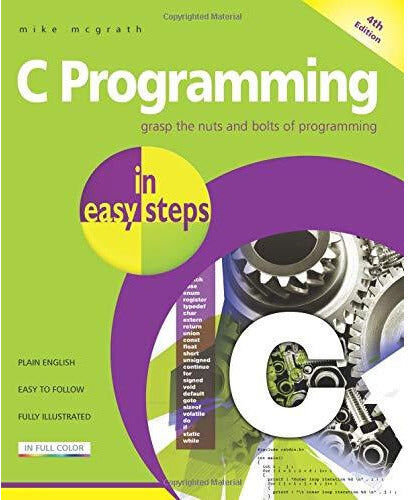
In Easy Steps Limited C Programming In Easy Steps 4th EditionC Programming in easy steps has an easy-to-follow style that will appeal to anyone who wants to begin programming in C, from programmers moving from another programming language, to the student who is studying C programming at school or college, or to those seeking a career in computing who need a fundamental understanding of procedural programming. C Programming in easy steps begins by explaining how to download and install a free C compiler so that you can quickly begin to create your own executable programs by copying the book's examples. You need have no previous knowledge of any programming language so it's ideal for the newcomer to computer programming. Each chapter builds your knowledge of C. C Programming in easy steps contains separate chapters on the major features of the C language. There are complete example programs that demonstrate each aspect of C together with screenshots that illustrate the output when that program has been executed. The sample code provided all has colored syntax-highlighting for clearer understanding. By the end of this book you will have gained a sound understanding of the C language and be able to write your own C programs and compile them into executable files that can be run on any compatible computer. Fully updated and revised since the third edition, which was published in April 2009.5,49 £*Shipping: 2,99 £Secure redirect to the provider
-
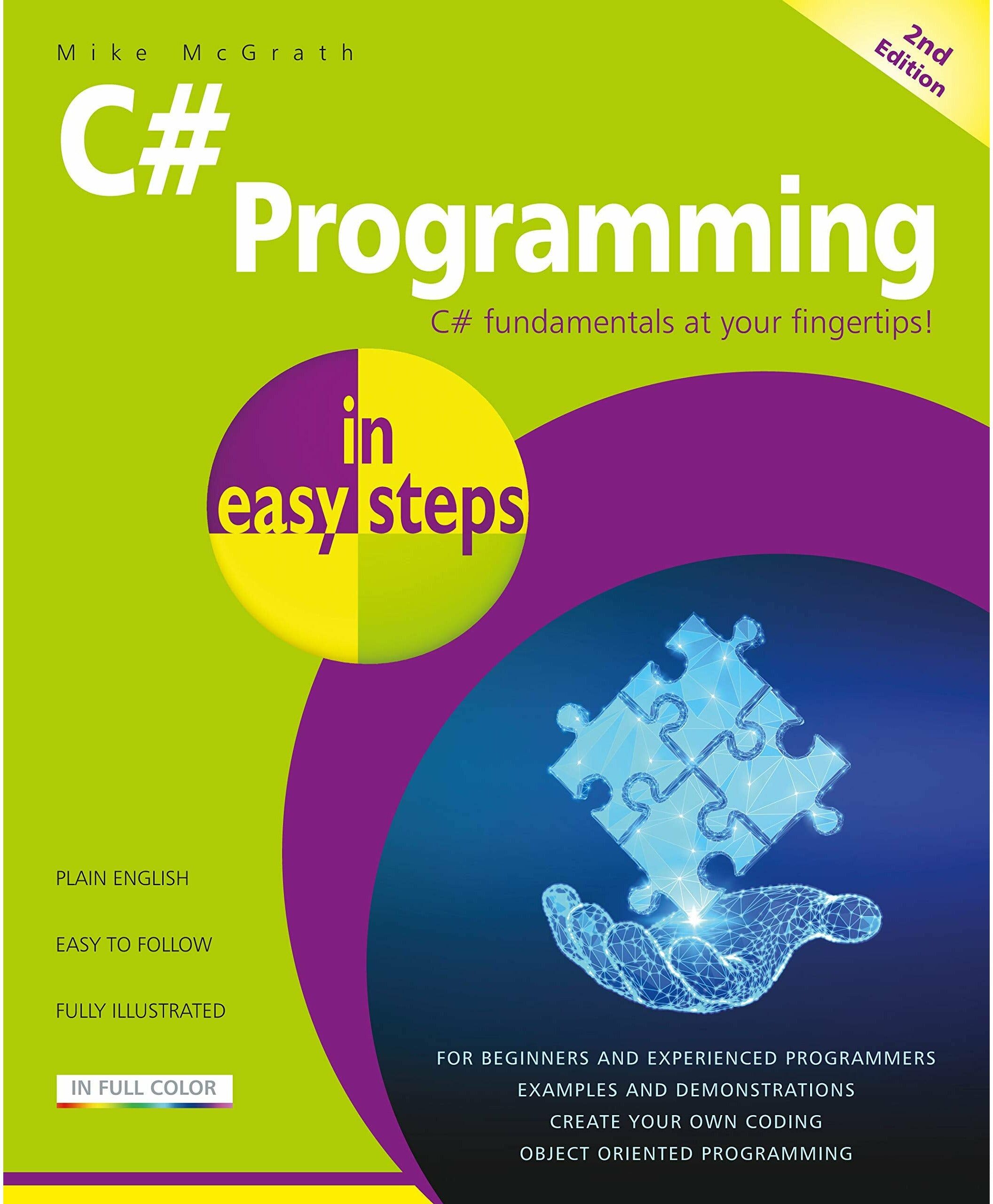
In Easy Steps Limited C# Programming in easy steps, 2nd edition by Mike McGrathC# Programming in easy steps, 2nd edition will teach you to code applications, and demonstrates every aspect of the C# language you will need to produce professional programming results. Its examples provide clear syntax-highlighted code showing C# language basics including variables, arrays, logic, looping, methods, and classes. C# Programming in easy steps, 2nd edition begins by explaining how to install the free Visual Studio Community Edition, to create an environment in which you can quickly begin to create your own executable programs by copying the book's examples. It demonstrates all the C# language basics before moving on to provide examples of Object Oriented Programming. The book concludes by demonstrating how you can use your acquired knowledge to create graphic programs for traditional PC Desktop apps, and also as Universal apps for multiple devices. C# Programming in easy steps, 2nd edition has an easy-to-follow style that will appeal to: Anyone who wants to begin programming in C# The programmer who quickly wants to add C# to their skills set The hobbyist who wants to begin creating apps for their own computer The student, and to those seeking a career in computing, who need a fundamental understanding of C# programming Table of contents: Getting started Storing values Performing operations Making statements Devising methods Handling strings Accessing files Solving problems Creating objects Controlling events Building an application Targeting devices4,98 £*Shipping: 1,99 £Secure redirect to the provider
-
What are the similarities and differences between the fables of Lessing, Luther, and Aesop?
The fables of Lessing, Luther, and Aesop share the common theme of using animals to convey moral lessons and teachings. They all use storytelling to impart wisdom and guidance to the reader. However, the fables of Lessing and Luther often have a more religious or philosophical undertone, reflecting their respective backgrounds as a German Enlightenment writer and a Protestant reformer. Aesop's fables, on the other hand, are more widely known and have a broader cultural influence, with a focus on universal human behavior and moral values. **
-
Should the scorpion simply remain lonely, Aesop?
No, the scorpion should not simply remain lonely. Aesop's fable teaches us that isolation and loneliness can lead to negative consequences. The scorpion should try to overcome its nature and find companionship or connection with others, even if it requires effort and change. By reaching out and forming relationships, the scorpion can avoid the fate of being alone and facing potential harm. **
-
Should the scorpion simply remain alone, Aesop?
No, Aesop, the scorpion should not simply remain alone. While it may be in the scorpion's nature to be solitary and potentially dangerous, it is also important for all creatures to seek companionship and connection. By remaining alone, the scorpion may miss out on opportunities for mutual benefit and support from others. It is important for all creatures to find a balance between their natural instincts and the benefits of social interaction. **
-
Why are fables told?
Fables are told to convey moral lessons or teachings in an engaging and memorable way. By using animals or other characters to represent human traits and behaviors, fables make it easier for people to understand and remember the message being conveyed. They have been used for centuries as a way to pass down wisdom and values from one generation to the next. Additionally, fables can entertain and captivate audiences of all ages while imparting important life lessons. **

Why were fables invented?
Fables were invented as a way to teach moral lessons and convey wisdom in an engaging and memorable way. By using animals or other characters to represent human traits and behaviors, fables could communicate complex ideas in a simple and accessible manner. They were often used as a tool for teaching children important values and life lessons, as well as for entertaining and engaging audiences of all ages. Overall, fables served as a powerful and enduring method of storytelling that continues to resonate with people across cultures and generations. **
How long are fables?
Fables can vary in length, but they are typically short stories that can be read in a few minutes. They are known for their concise and to-the-point storytelling, often with a moral or lesson at the end. This brevity allows fables to be easily remembered and shared, making them effective tools for teaching and imparting wisdom. **
Top-Angebote
Products related to Aesop-s-Fables-Easy:
-
Wilco International LLP Aesop's Fables by Aesop (Deluxe Hardback Sprayed Edge Edition)Aesop's Fables by Aesop : Wilco Classics Sprayed Edge Premium Hardback Edition Aesop’s Fables is a collection of short stories, often featuring personified animals, designed to deliver moral lessons. From the tortoise and the hare to the boy who cried wolf, these pithy tales have educated generations on virtue and wisdom.4,99 £*Shipping: 1,99 £Secure redirect to the provider
-
Award Publications Aesop's Fables Easy Readers Series by Val BiroEnjoy the wisdom and fun of Aesop's timeless tales in this easy-to-read series. Fun illustrations and clear, large-print type help to engage young readers and build reading confidence. Perfect for sharing together or independent reading.14,49 £*Shipping: 2,99 £Secure redirect to the provider
-
Aesop's Fables Easy Readers By Val Biro 6 Books Collection Set - Ages 4+ - Paperback Award Publications LtdTitles In The Set: 1. The Fox and the Stork 2. The Monkey and the Fishermen 3. The Boy Who Cried Wolf 4. The Eagle and the Man 5. The Bear and the Travellers 6. The Farmer and His Sons Description: Designed to build reading confidence, this series features large, clear, simple text, brought to life by the humorous illustrations of Val Biro. Each book contains two well-known Aesop stories.13,99 £*Shipping: 2,99 £Secure redirect to the provider
-
Wilco International LLP Aesop's Fables (Leather-bound)Aesop’s Fables “Misfortune tests the sincerity of friends.” - Aesop, Aesop’s Fables Aesop’s Fables, timeless moral tales attributed to the ancient Greek storyteller Aesop, offer succinct wisdom through anthropomorphic animals and concise narratives. These short stories, such as The Tortoise and the Hare and The Boy Who Cried Wolf, impart moral lessons on honesty, diligence, and wisdom. The fables have transcended centuries, resonating with readers worldwide, fostering a legacy of enduring storytelling that imparts valuable life lessons in an engaging and accessible manner.9,99 £*Shipping: 2,99 £Secure redirect to the provider
-
How many fables did Aesop write?
Aesop is traditionally credited with writing around 725 fables. **
-
When did Aesop write his fables?
Aesop is believed to have lived in ancient Greece around the 6th century BCE. However, it is not entirely clear when exactly he wrote his fables as they were passed down orally for many years before being written down. The first known collection of Aesop's fables was compiled in the 4th century BCE by Demetrius of Phalerum. **
-
What are the similarities and differences between the fables of Lessing, Luther, and Aesop?
The fables of Lessing, Luther, and Aesop share the common theme of using animals to convey moral lessons and teachings. They all use storytelling to impart wisdom and guidance to the reader. However, the fables of Lessing and Luther often have a more religious or philosophical undertone, reflecting their respective backgrounds as a German Enlightenment writer and a Protestant reformer. Aesop's fables, on the other hand, are more widely known and have a broader cultural influence, with a focus on universal human behavior and moral values. **
-
Should the scorpion simply remain lonely, Aesop?
No, the scorpion should not simply remain lonely. Aesop's fable teaches us that isolation and loneliness can lead to negative consequences. The scorpion should try to overcome its nature and find companionship or connection with others, even if it requires effort and change. By reaching out and forming relationships, the scorpion can avoid the fate of being alone and facing potential harm. **
Similar search terms for Aesop-s-Fables-Easy
-
In Easy Steps Limited C Programming In Easy Steps 4th EditionC Programming in easy steps has an easy-to-follow style that will appeal to anyone who wants to begin programming in C, from programmers moving from another programming language, to the student who is studying C programming at school or college, or to those seeking a career in computing who need a fundamental understanding of procedural programming. C Programming in easy steps begins by explaining how to download and install a free C compiler so that you can quickly begin to create your own executable programs by copying the book's examples. You need have no previous knowledge of any programming language so it's ideal for the newcomer to computer programming. Each chapter builds your knowledge of C. C Programming in easy steps contains separate chapters on the major features of the C language. There are complete example programs that demonstrate each aspect of C together with screenshots that illustrate the output when that program has been executed. The sample code provided all has colored syntax-highlighting for clearer understanding. By the end of this book you will have gained a sound understanding of the C language and be able to write your own C programs and compile them into executable files that can be run on any compatible computer. Fully updated and revised since the third edition, which was published in April 2009.5,49 £*Shipping: 2,99 £Secure redirect to the provider
-
In Easy Steps Limited C# Programming in easy steps, 2nd edition by Mike McGrathC# Programming in easy steps, 2nd edition will teach you to code applications, and demonstrates every aspect of the C# language you will need to produce professional programming results. Its examples provide clear syntax-highlighted code showing C# language basics including variables, arrays, logic, looping, methods, and classes. C# Programming in easy steps, 2nd edition begins by explaining how to install the free Visual Studio Community Edition, to create an environment in which you can quickly begin to create your own executable programs by copying the book's examples. It demonstrates all the C# language basics before moving on to provide examples of Object Oriented Programming. The book concludes by demonstrating how you can use your acquired knowledge to create graphic programs for traditional PC Desktop apps, and also as Universal apps for multiple devices. C# Programming in easy steps, 2nd edition has an easy-to-follow style that will appeal to: Anyone who wants to begin programming in C# The programmer who quickly wants to add C# to their skills set The hobbyist who wants to begin creating apps for their own computer The student, and to those seeking a career in computing, who need a fundamental understanding of C# programming Table of contents: Getting started Storing values Performing operations Making statements Devising methods Handling strings Accessing files Solving problems Creating objects Controlling events Building an application Targeting devices4,98 £*Shipping: 1,99 £Secure redirect to the provider
-
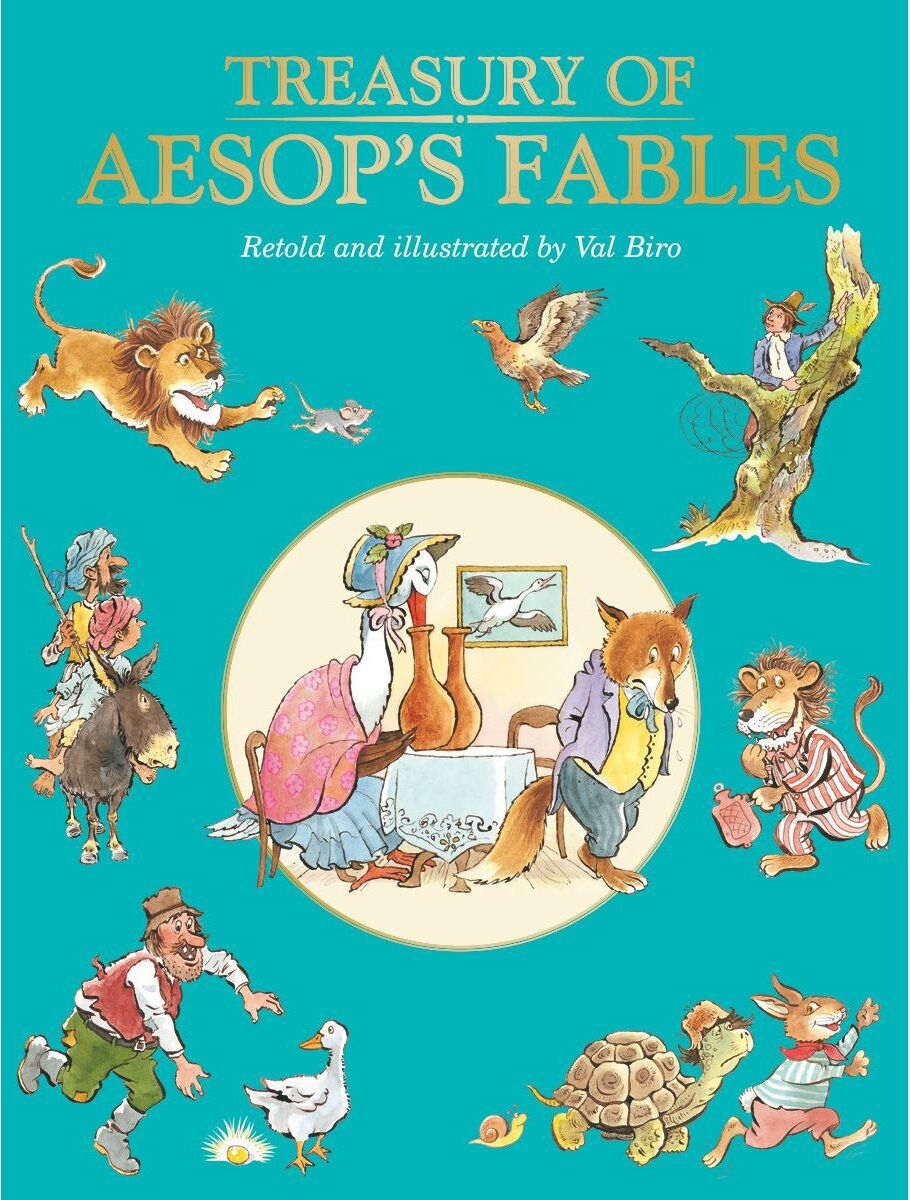
Award Publications Treasury of Aesop's Fables (Fairy Tale Treasuries) by Val BiroEnjoyed by generations the world over, Aesop's tales are a delight for all children. Illustrated with great humour by Val Biro, this bumper edition is perfect for sharing or for easy reading alone.7,99 £*Shipping: 2,99 £Secure redirect to the provider
-
Bronzhaus Tortoise And The Hare Aesop Fable Bronze Sculpture Figurine Statue Collectible Decor Signed Original ArtCondition: This sculpture is in perfect condition Bronze Dimensions: Height 10 inches X Width 11 inches Weight:10 LBS Inventory:9YDW173569 Original or Reproduction: Original Embrace the symbols of luck, longevity, and celebration with our exquisite…318,99 $*Shipping: 0,00 $Secure redirect to the provider
-
Should the scorpion simply remain alone, Aesop?
No, Aesop, the scorpion should not simply remain alone. While it may be in the scorpion's nature to be solitary and potentially dangerous, it is also important for all creatures to seek companionship and connection. By remaining alone, the scorpion may miss out on opportunities for mutual benefit and support from others. It is important for all creatures to find a balance between their natural instincts and the benefits of social interaction. **
-
Why are fables told?
Fables are told to convey moral lessons or teachings in an engaging and memorable way. By using animals or other characters to represent human traits and behaviors, fables make it easier for people to understand and remember the message being conveyed. They have been used for centuries as a way to pass down wisdom and values from one generation to the next. Additionally, fables can entertain and captivate audiences of all ages while imparting important life lessons. **
-
Why were fables invented?
Fables were invented as a way to teach moral lessons and convey wisdom in an engaging and memorable way. By using animals or other characters to represent human traits and behaviors, fables could communicate complex ideas in a simple and accessible manner. They were often used as a tool for teaching children important values and life lessons, as well as for entertaining and engaging audiences of all ages. Overall, fables served as a powerful and enduring method of storytelling that continues to resonate with people across cultures and generations. **
-
How long are fables?
Fables can vary in length, but they are typically short stories that can be read in a few minutes. They are known for their concise and to-the-point storytelling, often with a moral or lesson at the end. This brevity allows fables to be easily remembered and shared, making them effective tools for teaching and imparting wisdom. **
* All prices are inclusive of VAT and, if applicable, plus shipping costs. The offer information is based on the details provided by the respective shop and is updated through automated processes. Real-time updates do not occur, so deviations can occur in individual cases. ** Note: Parts of this content were created by AI.